Eating Disorders
We work with eating disorders using a Health at Every Size model, helping our clients regain their freedom and enjoyment of life.

If you or your loved one has been struggling with their relationship with food, you’ve come to the right place. We work with eating disorders using a Health at Every Size model, helping our clients regain their freedom and enjoyment of life. You may be feeling like everything is out of control and afraid that you cannot get out of the cycle of dieting and exercise, shame and fear.
Your therapist will work together with you to build an alliance of healing and support to help you take back your power and regain your health.
Concerned about a teenager’s relationship with food? See our Teen & Adolescent Therapy in Atlanta page.
Eating Disorders We Treat
Eating disorders take many forms, and each requires a nuanced treatment approach. Our therapists work with the full range of presentations:
Anorexia Nervosa involves severe restriction of food intake, intense fear of weight gain, and a distorted relationship with body size and shape. Medical stability is essential and our team coordinates care with physicians and dietitians when needed.
Bulimia Nervosa involves cycles of binge eating followed by compensatory behaviors including purging, fasting, or excessive exercise. Shame and secrecy are common, and many people with bulimia are of average body weight, meaning the disorder often goes unrecognized.
Binge Eating Disorder (BED) is the most common eating disorder, characterized by recurrent episodes of eating large amounts of food with a sense of loss of control, without compensatory behaviors. BED is associated with significant emotional distress and is highly treatable with therapy.
Avoidant/Restrictive Food Intake Disorder (ARFID) involves restriction not driven by body image concerns, but by sensory sensitivities, fear of choking or vomiting, or lack of interest in food. ARFID is particularly common among neurodivergent individuals.
Orthorexia refers to an obsessive focus on “healthy” or “clean” eating that has become rigid, impairing, and driven by anxiety rather than genuine wellness. Orthorexia is not yet a formal DSM diagnosis, but its functional impact is real and treatable.
Disordered Eating that doesn’t meet full diagnostic criteria can still cause significant suffering and deserves professional attention. If your relationship with food is consuming mental energy, driving self-worth, or affecting your physical health, therapy can help.
Our Approach: Health at Every Size and Trauma-Informed Care
We practice from a Health at Every Size (HAES) framework, which means we do not treat weight as a treatment outcome or goal. Our work focuses on rebuilding a peaceful, flexible relationship with food and your body — not on achieving a particular size or following prescribed eating rules. Weight-based treatment approaches are well-documented to increase shame and decrease long-term recovery outcomes; our approach is grounded in the evidence that says otherwise.
We also recognize that eating disorders are rarely only about food. For most of our clients, disordered eating is a strategy for managing difficult emotions, trauma, or a profound sense of not being enough. Our trauma-informed approach addresses these root causes through EMDR for trauma processing, IFS to work compassionately with the parts that developed the eating behaviors as a form of protection, and DBT and RO-DBT for emotion regulation and building a life worth living.
Our Eating Disorder Specialists
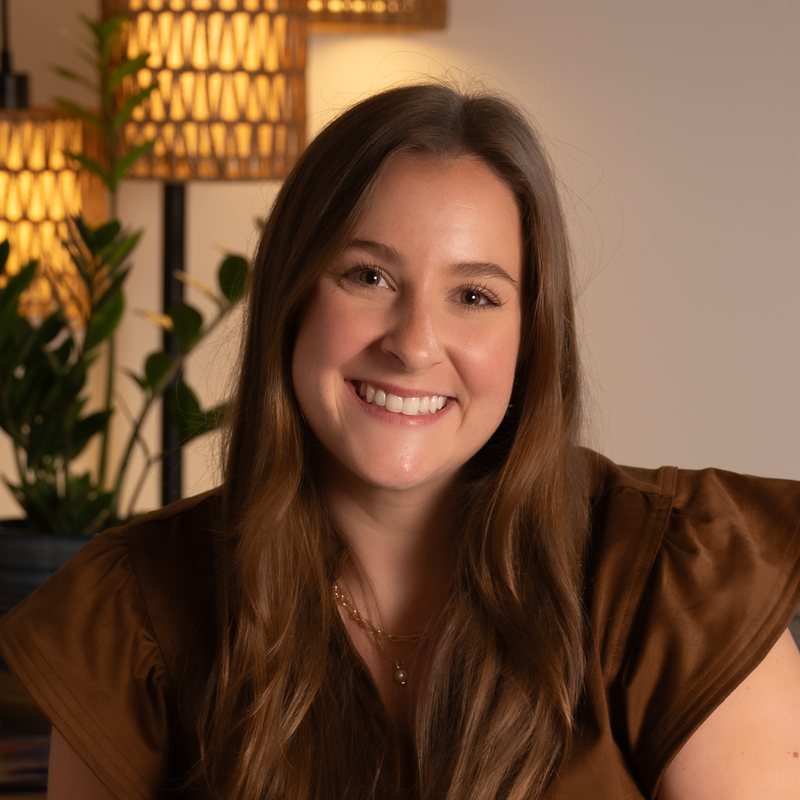
Pamela Madsen, MS, LPC, ACS has specialized in eating disorders throughout her clinical career. She is working toward the Certified Eating Disorder Specialist (CEDS) designation and serves as board member and president of the Atlanta Chapter of the International Association of Eating Disorders Professionals (IAEDP). Her approach integrates EMDR, IFS, and HAES principles, with particular expertise in the intersection of eating disorders and trauma, emotional abuse, and body image.
Our team collaborates with registered dietitians and medical providers who specialize in eating disorder recovery, ensuring coordinated care across all dimensions of health.
What to Expect in Eating Disorder Treatment
The early phase of treatment is focused on understanding your relationship with food and your body — the history, the patterns, the emotions that drive them, and the ways the eating behaviors have served you. You will not be pressured to change behaviors before you feel ready.
As therapy progresses, we work on building emotional regulation skills, processing the underlying experiences that contributed to the eating disorder, and gradually developing a more flexible and compassionate relationship with food and your body. For clients with active medical concerns, we work as part of a coordinated treatment team.
Recovery is not linear, and it is not about willpower. With the right support, a full and meaningful relationship with food and your body is genuinely possible.
How We Support Your Recovery
We offer one-on-one therapy sessions with therapists who specialize in eating disorder treatment. Sessions draw from evidence-based approaches including CBT, DBT, RO-DBT, EMDR, and IFS, selected based on your specific presentation and goals.
Our team coordinates with registered dietitians and physicians who specialize in eating disorder recovery when needed, supporting a whole-person approach to treatment. Family sessions are available to improve communication and build a supportive environment for healing.
Eating Disorder Therapy in Atlanta
Sea Change Psychotherapy offers eating disorder treatment in person in Buckhead and via telehealth throughout Georgia. If you are navigating an eating disorder — or supporting a loved one who is — we encourage you to reach out for a consultation.
Therapy Method Information
Below is more information on some of the types of therapy available for this condition.
Internal Family Systems (IFS)
Unlocking Healing with Internal Family Systems Therapy: A comprehensive guide to IFS and the categories of Exiles, Managers, and Firefighters
Learn more →
Radically Open DBT
Our Atlanta therapists offer a compassionate and evidence-based approach in RO-DBT to achieve emotional well-being and build fulfilling relationships.
Learn more →Ready to take the next step?
Compassionate, evidence-based therapy in Buckhead and online across Georgia. Reach out when you're ready — you don't have to do this alone.
Schedule an Appointment